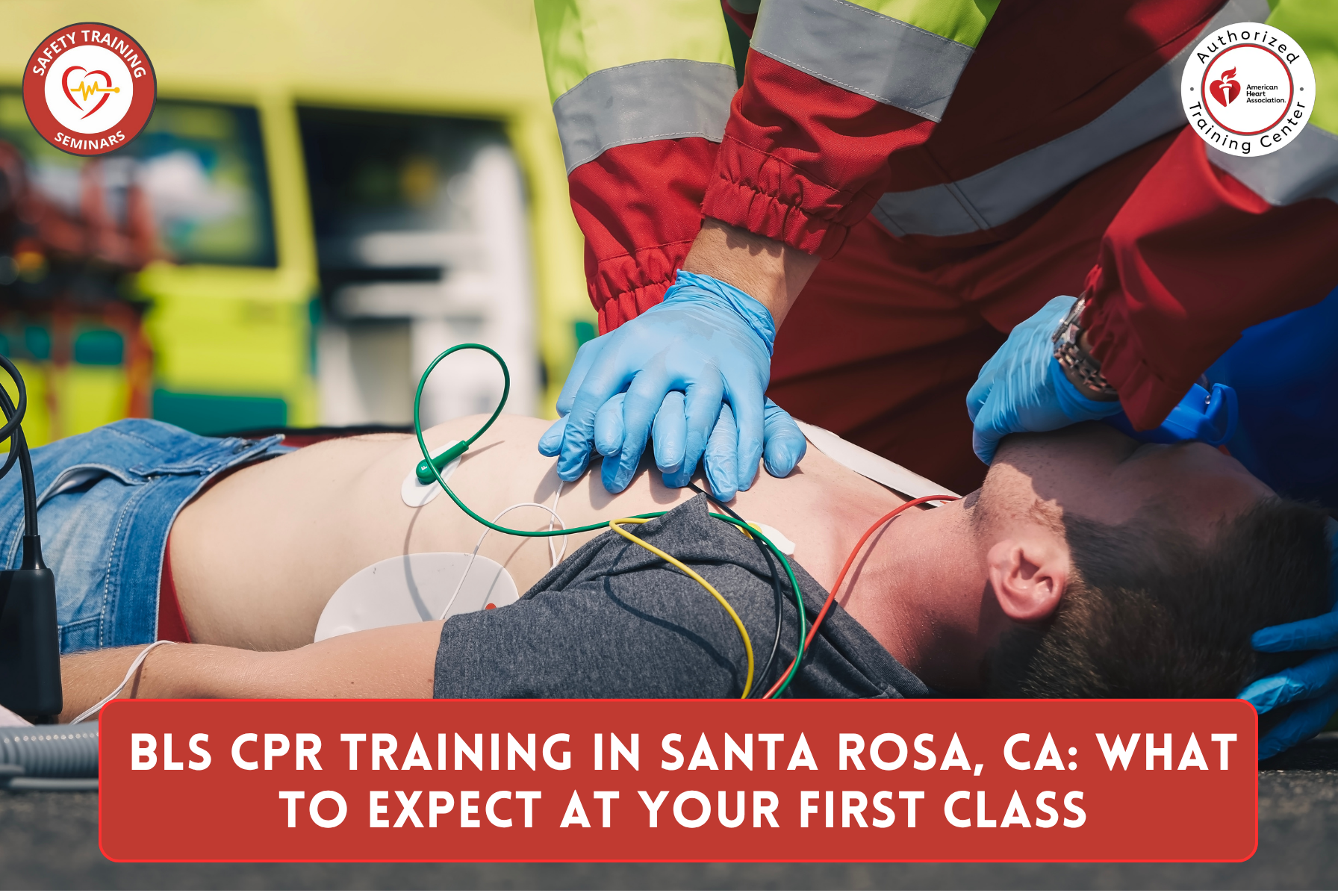
If you are comparing BLS, ACLS, and PALS in Santa Rosa, CA, your job role should guide the decision. BLS is usually the starting point for nurses, EMTs, medical assistants, dental teams, clinical students, and other healthcare workers. ACLS is for professionals who may respond to advanced adult cardiovascular emergencies. PALS is for healthcare workers involved in pediatric emergency care. For teachers, childcare providers, fitness professionals, workplace teams, parents, and caregivers, CPR and First Aid may be the more practical option unless a written requirement says otherwise.
Key Takeaway: The BLS CPR Certification Course is often the first course to review if your work involves patient care or clinical training. Choose ACLS or PALS only when your employer, school, clinical site, or licensing pathway specifically requires advanced adult or pediatric life-support training.
Match the Course to the Setting Where You Work
A course that fits one Santa Rosa worker may be wrong for another. A nurse at a hospital, a dental assistant in a private practice, a caregiver in a senior-care setting, and a teacher in a classroom all have different reasons for seeking CPR or life-support training.
BLS is commonly connected to healthcare and patient-care environments. CPR and First Aid is more often connected to general workplace, school, childcare, fitness, and community emergency-readiness needs. ACLS and PALS are more specialized, so they usually make sense only when your role involves advanced clinical response.
Before registering, read the exact wording of your requirement. “CPR required,” “BLS Provider required,” “ACLS renewal,” and “PALS certification” are not interchangeable phrases.
What BLS Usually Means for Healthcare Workers
BLS stands for Basic Life Support. It is designed for healthcare professionals and trained responders who may need to recognize life-threatening emergencies, provide high-quality CPR, use an AED, support breathing when applicable, and work as part of a response team.
A BLS class in Santa Rosa may fit nurses, EMTs, paramedics, medical assistants, dental professionals, physicians, clinic staff, nursing students, and allied-health students. It is often reviewed by people preparing for clinical rotations, onboarding, or credential renewal.
If your form says “healthcare provider CPR” or “BLS Provider,” do not assume that a general CPR class will satisfy it. Ask the employer, school, licensing board, or clinical coordinator to confirm the exact course they accept.
When ACLS Is the Better Match
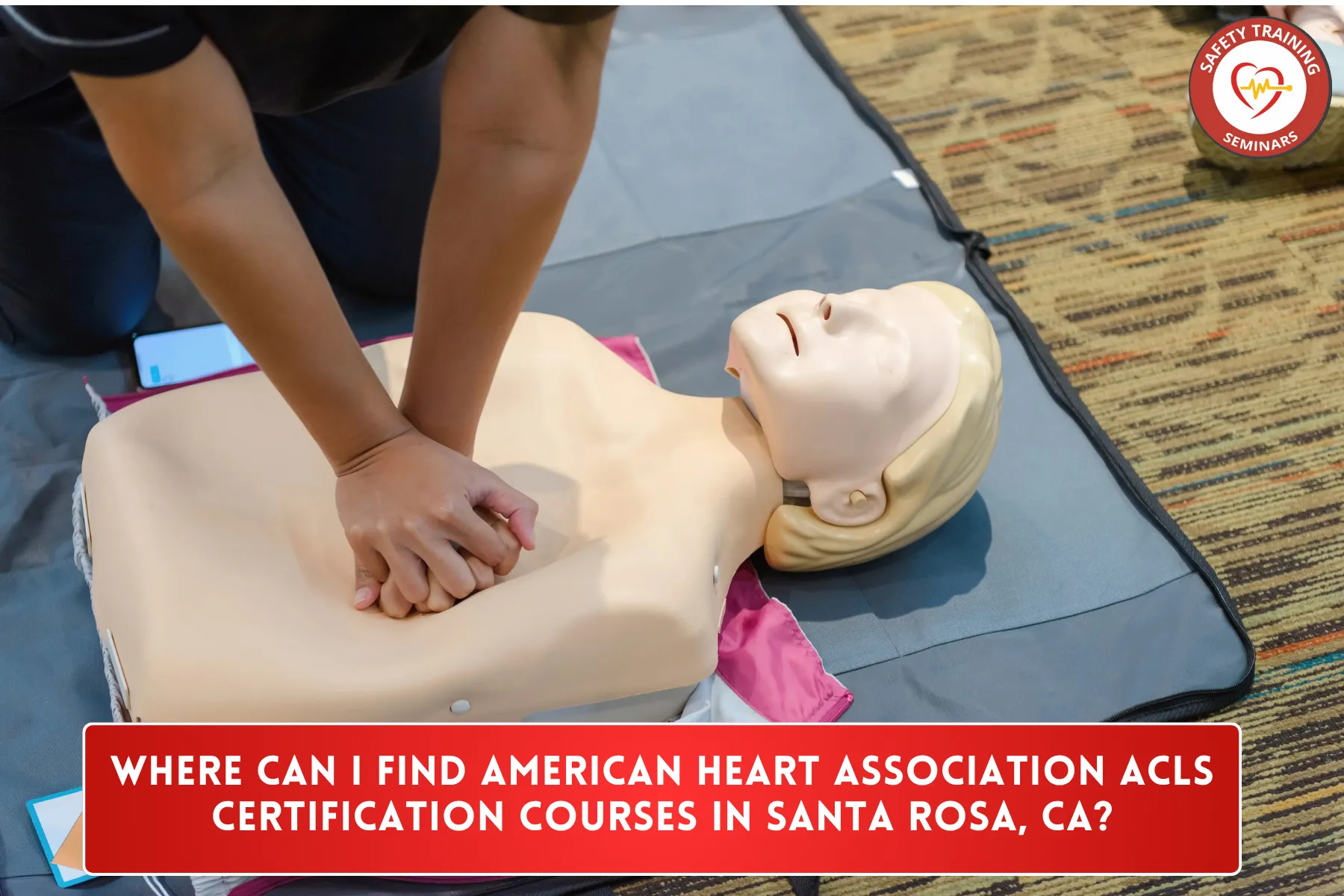
ACLS stands for Advanced Cardiovascular Life Support. It is generally intended for healthcare professionals who may participate in adult cardiac emergency response, stroke-related response, advanced airway management, rhythm recognition, or organized clinical resuscitation.
This may include emergency department staff, ICU nurses, telemetry nurses, paramedics, physicians, respiratory care professionals, urgent care clinicians, and other advanced clinical team members. ACLS is not usually the first course for a general office worker, teacher, coach, parent, or caregiver.
For Santa Rosa healthcare workers, ACLS may be tied to a specific unit, job title, employer policy, or renewal cycle. If you are not sure whether your role requires ACLS, confirm before enrolling.
When PALS Fits Pediatric Care Responsibilities
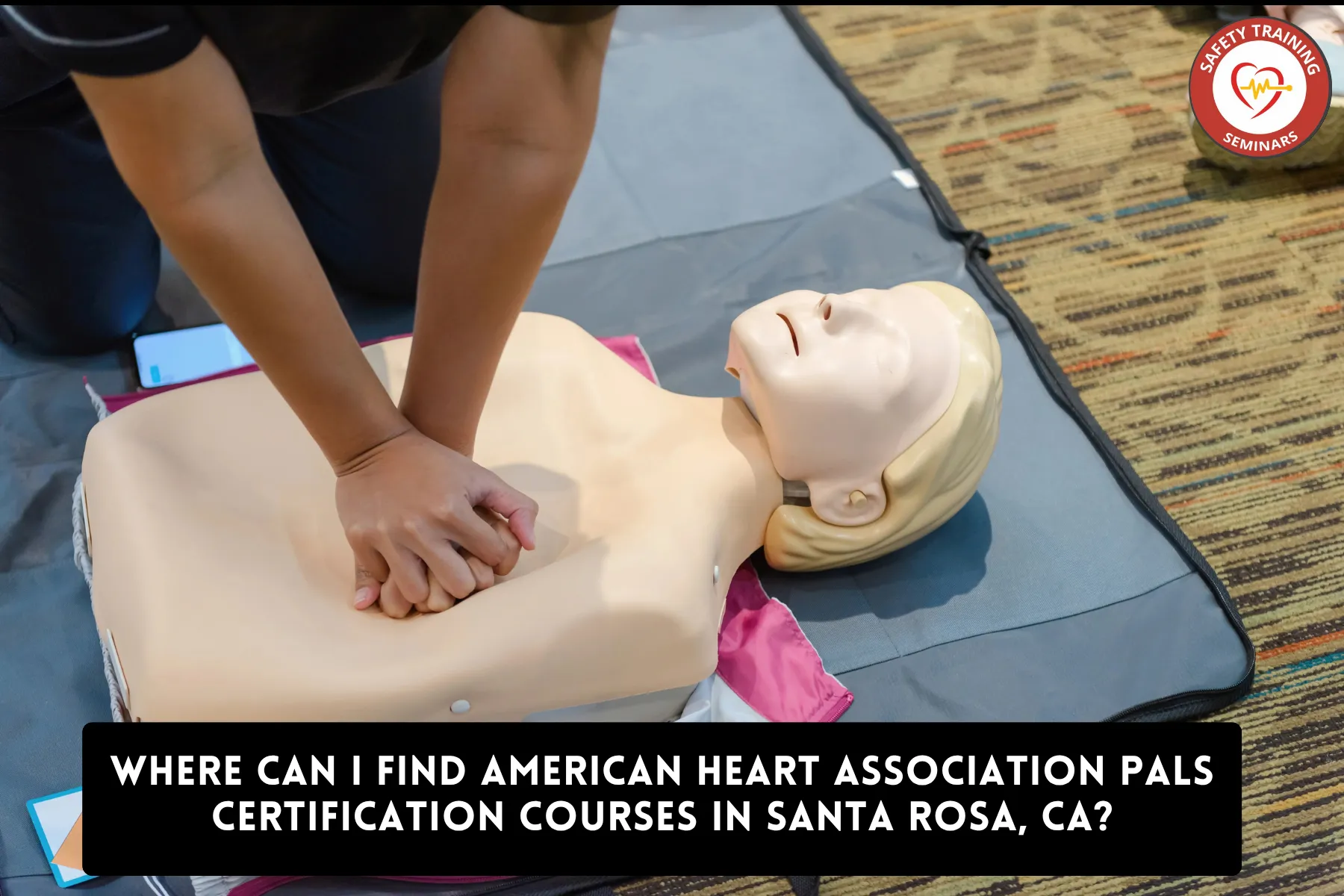
PALS stands for Pediatric Advanced Life Support. It focuses on serious emergencies involving infants and children in healthcare settings. PALS may be relevant for pediatric nurses, emergency department teams, urgent care staff, paramedics, respiratory care professionals, pediatric clinic staff, and healthcare students assigned to pediatric or emergency-care environments.
A childcare provider may need child and infant CPR, but that does not automatically mean PALS. PALS is more advanced and clinically focused. CPR and First Aid may be the better fit for teachers, youth coaches, daycare staff, babysitters, parents, and community members unless a requirement specifically names PALS.
The distinction matters because “pediatric” can mean different things depending on the role. Everyday child safety training and advanced pediatric emergency response are not the same course need.
Where CPR, First Aid, and NRP Fit
Not every person comparing BLS, ACLS, and PALS needs one of those three. CPR and First Aid courses may be better for non-clinical students who want practical emergency-response training for work, school, home, or community settings.
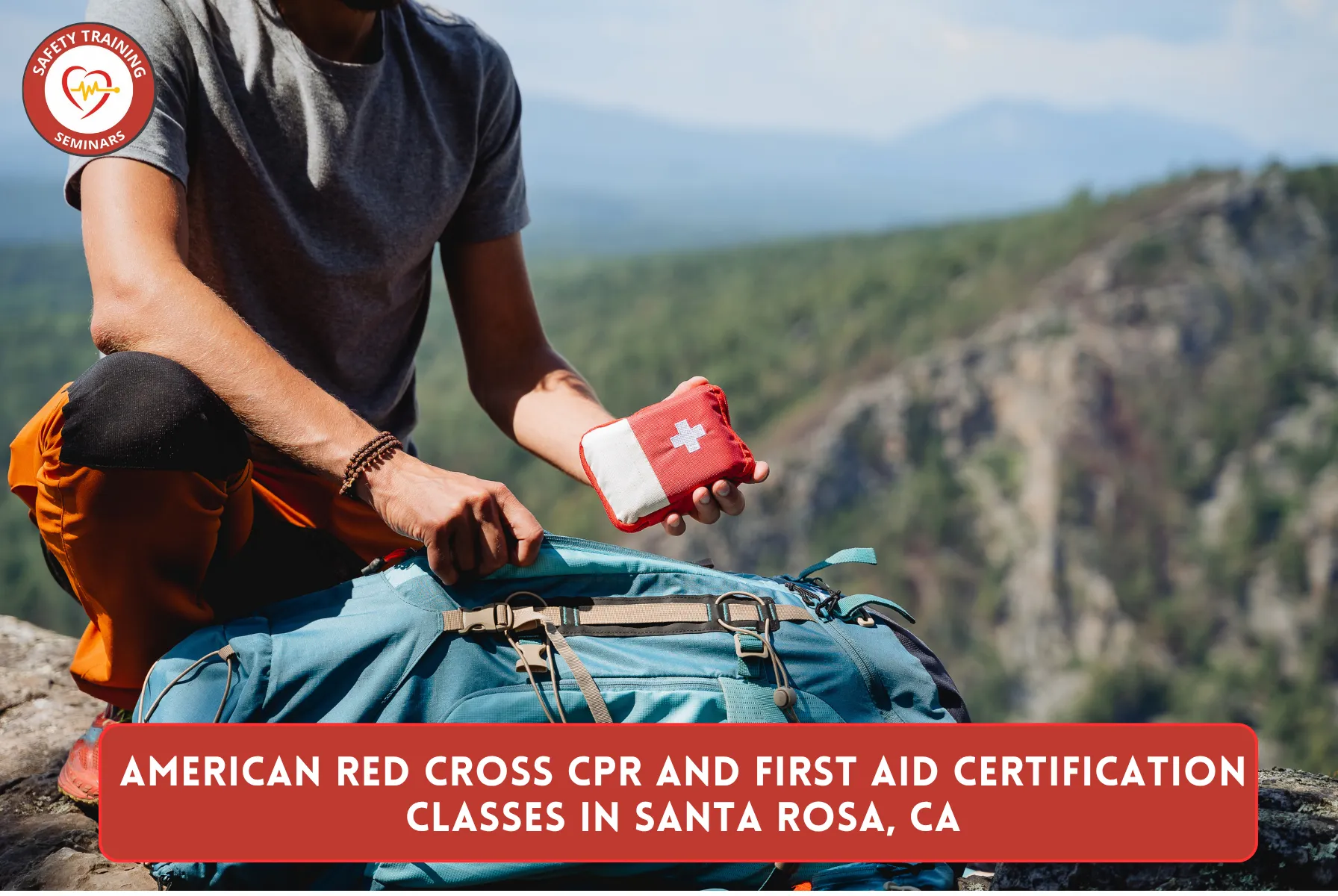
A First Aid course may help with basic injury response, choking, bleeding, burns, sudden illness, and AED awareness depending on the selected course. This can be useful for school staff, childcare providers, gyms, wineries, hospitality teams, construction crews, office teams, caregivers, and community volunteers.
NRP is different from BLS, ACLS, and PALS. It relates to neonatal resuscitation and is usually relevant only for specific healthcare roles involving newborn care. If NRP appears in your requirement, confirm the exact course pathway with your employer or clinical program.
Santa Rosa Job Examples: Which Course Comes First?
A hospital nurse may need BLS first, then ACLS or PALS depending on the unit. A medical assistant in an outpatient clinic may need BLS if the employer requires healthcare-provider-level training. A dental assistant may also need BLS depending on the office and role.
A Santa Rosa Junior College nursing student should follow the program or clinical-site requirement exactly. A teacher, childcare worker, parent, or fitness instructor may be better served by CPR and First Aid unless a specific organization requests BLS.
For workers across Sonoma County, the course decision often follows the setting. Clinical setting usually points toward BLS or advanced life support. Public, school, workplace, or family setting often points toward CPR and First Aid.
Local Course Planning Around Sonoma County
Santa Rosa has a strong mix of healthcare, education, public service, hospitality, and family-care environments. Healthcare workers may be connected to Kaiser Permanente Santa Rosa Medical Center, Providence Santa Rosa Memorial Hospital, outpatient clinics, dental offices, urgent care centers, and medical practices throughout the city.
Students may also be connected to Santa Rosa Junior College health sciences and nursing pathways. Workers commute from Rohnert Park, Petaluma, Sebastopol, Sonoma, Windsor, and nearby communities, so location can affect which course page is easiest to review before registering.
Readers in central Sonoma County can start with the Santa Rosa CPR, BLS, ACLS and PALS class page for local course information. People coming from nearby cities may also compare Rohnert Park CPR and healthcare certification options or Petaluma CPR, BLS, ACLS and PALS classes if those pages better match their travel pattern.
How Safety Training Seminars Fits the Decision
After you know which course name your employer or school requires, review the correct local course page before registering. Safety Training Seminars offers Santa Rosa course options at the Santa Rosa – Downtown CPR Training Center, 825 College Avenue, Suite 3, Santa Rosa, CA 95404.
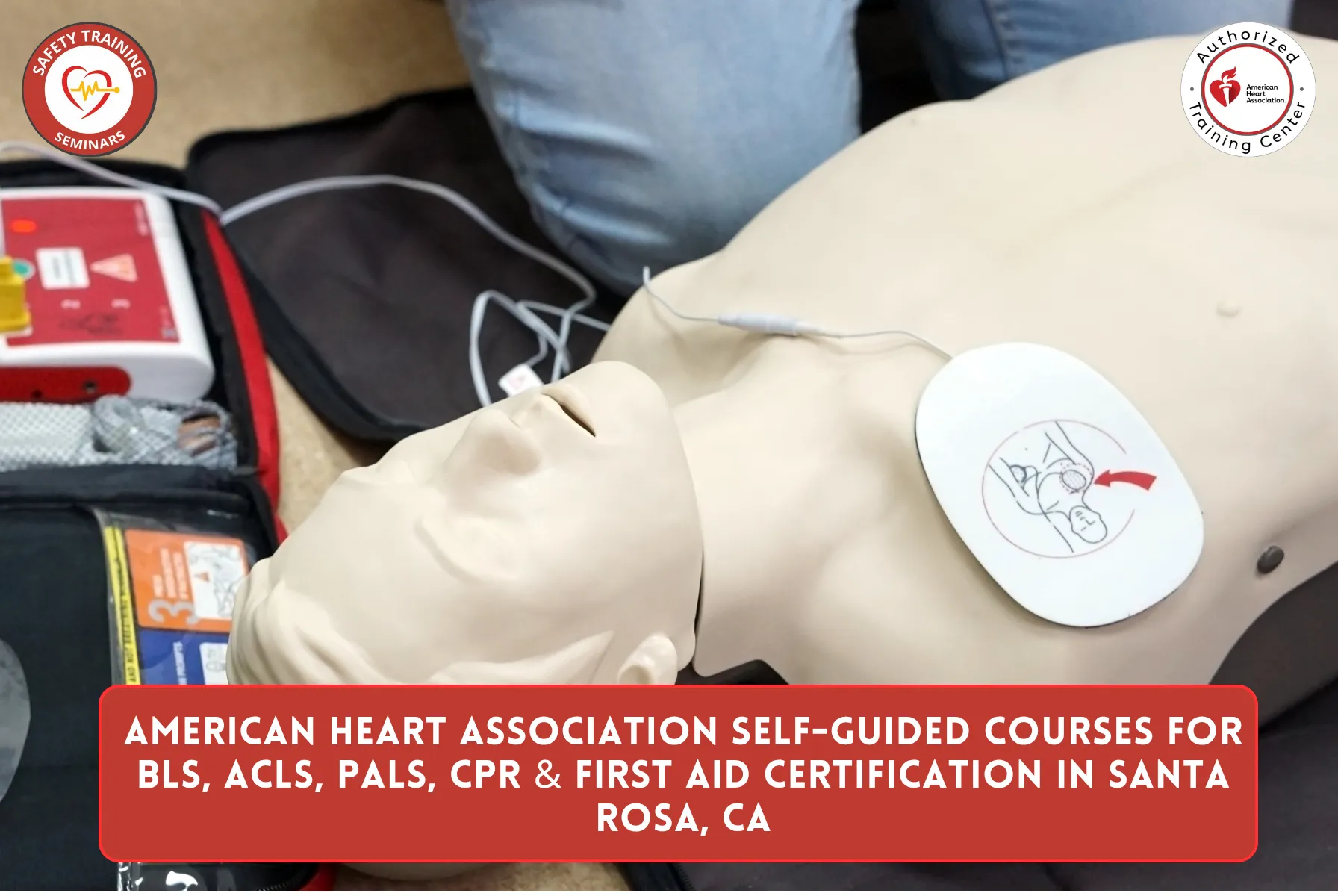
Self-Guided Learning™ courses may allow students to complete the online learning portion at their own pace before completing the required in-person skills session at the CPR Verification Station™ learning center. For BLS students, the HeartCode® Complete course option may be relevant when both the online portion and hands-on skills completion are part of the selected pathway. After successful completion, students may receive an AHA Course Completion eCard when applicable.
Students in west Sonoma County can also review Sebastopol CPR and BLS training options when comparing nearby course-location pages.
A Simple Course Decision Checklist
Use this checklist before you enroll:
- Choose BLS if your requirement mentions Basic Life Support, BLS Provider, healthcare provider CPR, clinical placement, patient care, or healthcare employment.
- Choose ACLS if your role involves adult cardiac emergency response, critical care, emergency medicine, paramedicine, or advanced clinical response.
- Choose PALS if your healthcare role involves pediatric emergency response.
- Choose CPR and First Aid if you need workplace, school, childcare, fitness, caregiving, or community emergency-readiness training.
- Choose NRP only if your requirement specifically involves neonatal resuscitation.
- Confirm unclear requirements with your employer, school, licensing board, or clinical site before registering.
This approach helps reduce confusion, especially for renewals. A familiar course name may still need to match a current job description, clinical assignment, or employer policy.
FAQs About BLS, ACLS, and PALS in Santa Rosa
Is BLS the same as regular CPR?
No. BLS includes CPR skills, but it is designed for healthcare professionals, clinical students, and trained responders. Regular CPR or CPR and First Aid may be better for general workplace and community needs. If your requirement says BLS, choose a BLS course rather than assuming basic CPR will be accepted.
Who usually needs ACLS in Santa Rosa?
ACLS is usually for healthcare professionals involved in adult cardiac emergency response. This may include emergency department staff, ICU nurses, telemetry workers, paramedics, physicians, respiratory care professionals, and urgent care clinicians. Requirements vary by employer and role, so confirm the exact course before enrolling.
Do childcare providers need PALS?
Usually no, unless a specific employer or program asks for it. Childcare providers often need CPR and First Aid with child and infant CPR components. PALS is a healthcare-focused pediatric emergency course, so it is usually reserved for clinical roles.
Which course should a Santa Rosa nursing student take first?
Most nursing students should review BLS requirements first, but the exact course depends on the school or clinical placement. Students should check their program instructions before registering. If ACLS or PALS is required later, that requirement will usually be stated separately.
Can an online course satisfy my employer or school requirement?
Do not assume an online-only course is enough. Many healthcare and employer requirements include a hands-on skills session. Check whether your selected course uses online learning plus in-person skills completion, and confirm acceptance with the organization requesting the certification.
Final Takeaway for Santa Rosa Students and Professionals
The right course is the one that matches your actual job, school, or clinical requirement. In Santa Rosa, CA, BLS is commonly the first course healthcare workers, dental teams, EMTs, medical assistants, and nursing students should review. ACLS and PALS are more specialized and usually apply to adult cardiac or pediatric emergency-response roles. CPR and First Aid may be better for teachers, childcare providers, fitness professionals, caregivers, workplace teams, and community members.
Safety Training Seminars can help local students and professionals compare CPR, First Aid, BLS, ACLS, PALS, and NRP course options. Before enrolling, review the relevant course-location page, confirm the exact requirement, and choose the training path that fits your role.