Sonoma County’s largest urban center features a distinct blend of bustling medical hubs, vineyards, expanding schools, and vibrant downtown commercial districts along the 101 corridor. From healthcare professionals commuting near regional medical facilities to educators managing busy classrooms and local hospitality workers serving visitors in the Wine Country, emergency preparedness plays an everyday role across the community. Whether you are a fitness coach leading classes near Courthouse Square, a parent residing in Rincon Valley, or a manufacturing employee working near the industrial parks, knowing how to respond when an unexpected medical crisis occurs is invaluable.
Exploring American Red Cross CPR and First Aid certification classes in Santa Rosa, CA gives residents, workers, and students access to standardized, nationally recognized emergency-response instruction. This guide covers how these courses work, what they teach, who needs them, and how to find local training options tailored to your professional or personal schedule.
Quick Answer / Key Takeaway
Individuals searching for training in Sonoma County can enroll in American Red Cross CPR and First Aid certification classes designed to meet workplace compliance standards, academic prerequisites, or personal safety goals. Programs range from basic adult CPR to comprehensive multi-topic certifications incorporating automated external defibrillator (AED) operation and environmental injury management.
What Are American Red Cross CPR and First Aid Classes?
Emergency response education relies on structured, evidence-based curricula. American Red Cross training programs are built around standardized guidelines that teach lay responders and professionals how to act swiftly and calmly during critical incidents.
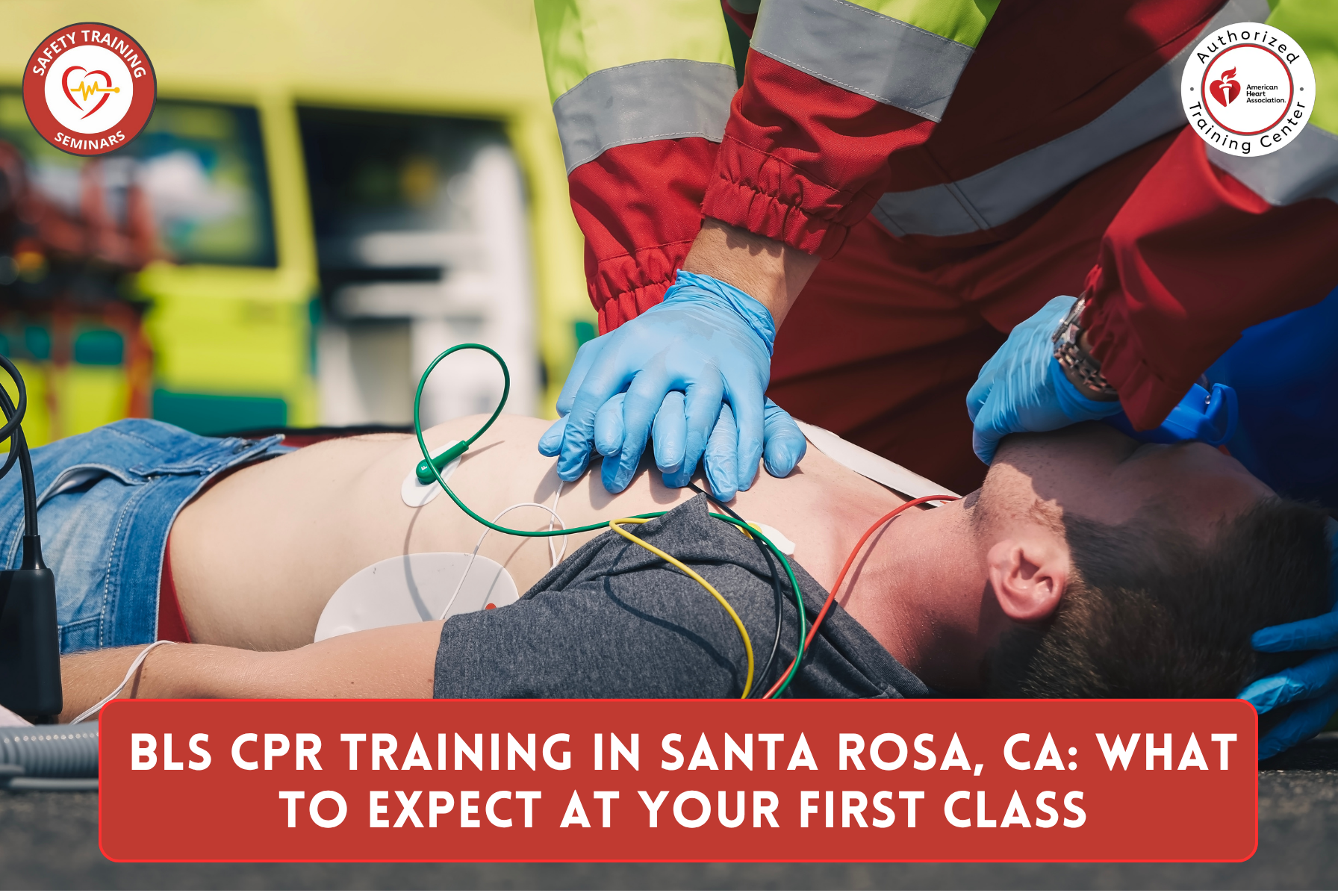
- CPR Training: Cardiopulmonary resuscitation focuses on restoring artificial ventilation and blood circulation when an individual experiences sudden cardiac arrest. Instruction teaches proper chest compression depth, rescue breathing techniques, and recognition of unresponsiveness.
- First Aid Training: This component addresses non-cardiac medical emergencies, such as severe bleeding, burns, fractures, allergic reactions, choking, and sudden illnesses like diabetic emergencies or strokes.
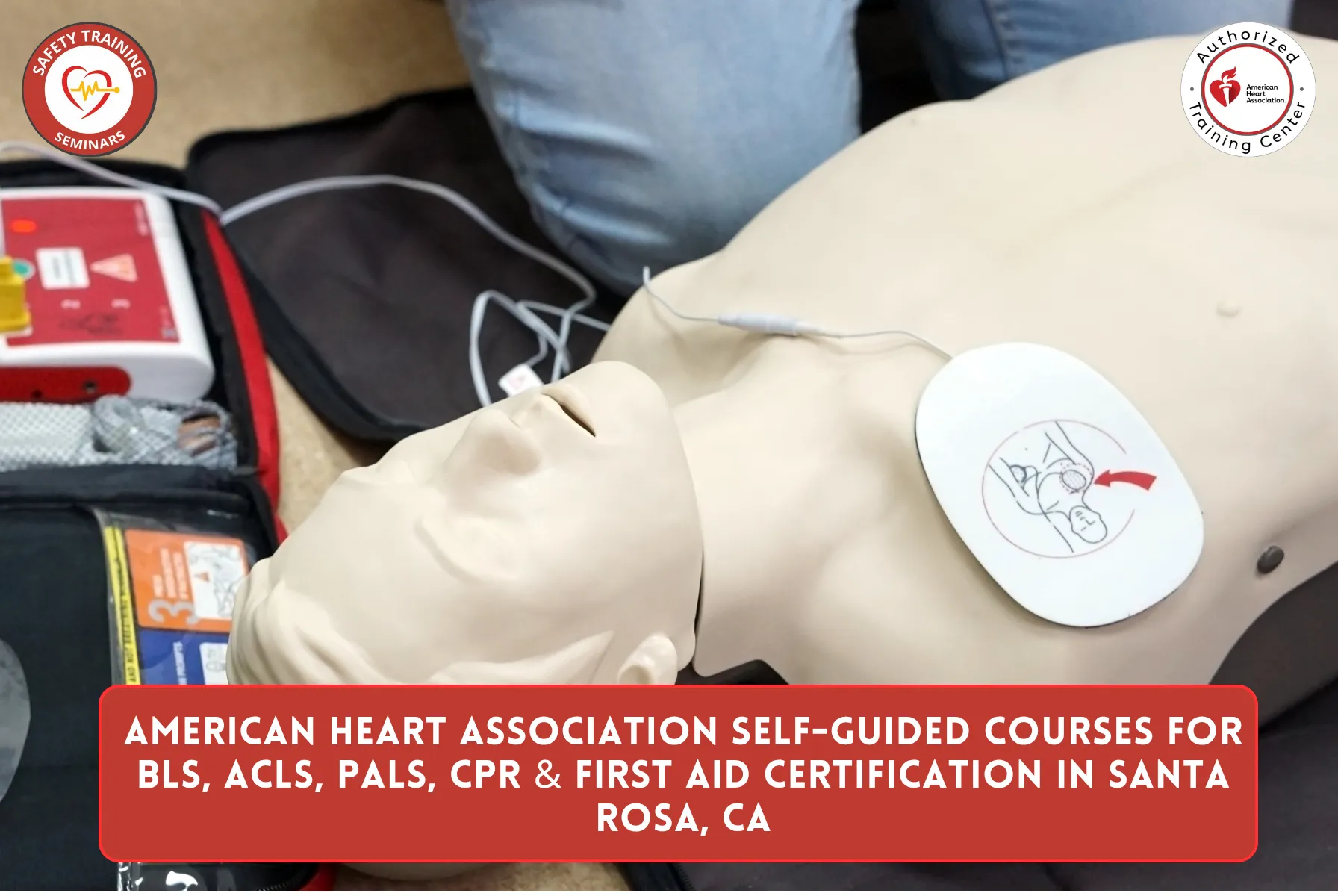
- The AED Connection: Automated external defibrillators are portable electronic devices that diagnose life-threatening cardiac arrhythmias. Training demonstrates how to correctly apply AED pads, interpret visual or audio prompts, and deliver a shock when advised.
While CPR and First Aid are distinct disciplines, they are frequently taught together because many real-world accidents or sudden illnesses involve overlapping complications. Learners should verify whether their specific organization requires a combined course or a single-topic module prior to enrollment. Hands-on practice sessions allow participants to build muscle memory on mannequins, ensuring they can perform skills correctly under pressure.
CPR Training in Santa Rosa
Different workplaces and professional paths demand specific levels of CPR instruction. Local participants can select courses tailored to the exact age groups they encounter day-to-day.
- Adult CPR: Focused primarily on adolescent and adult victims, commonly required in corporate offices, construction sites, and retail settings.
- Pediatric CPR: Tailored specifically for infants and children, making it essential for preschool teachers, daycare operators, and youth sports coaches.
- Standard CPR/AED: Combines chest compression techniques with the practical operation of public-access defibrillators found in local public buildings and fitness centers.
Curriculum depth varies by program tier. A general community course emphasizes basic bystander response, whereas professional-level modules incorporate multi-rescuer dynamics and advanced airway management techniques. Reviewing your employer’s exact mandate ensures you register for the correct tier.
First Aid and AED Training in Sonoma County
Accidents happen across all environments, from commercial kitchens and vineyard processing floors to quiet residential neighborhoods. First Aid and AED training prepares designated safety personnel to manage injuries before emergency medical services arrive.
Teachers, athletic trainers, camp counselors, construction crews, and hospitality personnel frequently take these classes to satisfy state or institutional safety mandates. Instruction addresses how to handle physical trauma, manage environmental exposures like heat exhaustion during warm North Bay summers, and stabilize individuals experiencing sudden medical distress. Pairing First Aid with AED training ensures responders are equipped for both traumatic injuries and sudden cardiac emergencies.
Who Typically Takes These Classes?
Emergency-response certification spans multiple industries throughout the region. Understanding common participant groups helps clarify why training is so widely sought:
- Healthcare and Clinical Support Personnel: Medical assistants, dental staff, and allied health professionals often require verified certification for clinical duties.
- Teachers and Childcare Providers: State licensing bodies and local school districts frequently mandate pediatric first aid and CPR competency for staff members.
- Workplace Safety Teams: Industrial facilities, administrative offices, and retail establishments designate specific employees to serve as first responders for OSHA compliance.
- Coaches and Fitness Professionals: Personal trainers, gym staff, and youth sports leaders maintain active certification to protect clients and athletes.
- Caregivers and Family Members: Individuals looking after elderly relatives or young children seek out practical training to gain confidence during home emergencies.
- Students: High school and college students pursuing careers in healthcare, education, or social services complete certification to meet program entrance prerequisites.
How to Choose the Right Course
Selecting the proper curriculum depends entirely on your professional obligations or personal objectives. The table below outlines common training types and their typical applications.
| Training Type | Primary Focus | Typical Application |
| CPR | Chest compressions and rescue breathing | General workplace safety, community readiness |
| First Aid | Managing injuries, bleeding, and sudden illness | Workplace compliance, scouting leaders, outdoor guides |
| CPR/AED | Cardiac arrest response and defibrillator use | Public facility staff, fitness center employees |
| First Aid/CPR/AED | Comprehensive medical and trauma response | Teachers, childcare staff, corporate safety teams |
Important Note: Training requirements are established by individual employers, academic institutions, state licensing agencies, and regulatory bodies. Always confirm your exact organizational requirement before registering for a class.
Local Training Considerations
Navigating emergency preparedness in a diverse geographic hub like Santa Rosa involves recognizing the unique needs of local neighborhoods, ranging from the historic Railroad Square district to outer suburban pockets near Larkfield-Wikiup. Professionals working in busy service sectors along Mendocino Avenue, educators serving local unified school districts, and outdoor recreation leaders operating near Spring Lake Regional Park all face distinct environments. Local residents often prefer training formats that minimize long commutes while delivering rigorous, instructor-led skill verification. Finding a convenient, accessible venue allows busy workers to complete certification without disrupting their weekly routines.
Safety Training Seminars in Santa Rosa
For residents and workers seeking accessible instruction, local options are available right in the community.
- Safety Training Seminars Santa Rosa – Downtown CPR Training Center
Address: 825 College Avenue, Suite 3, Santa Rosa, CA 95404
This local facility provides a convenient environment for individuals and corporate teams looking to complete American Red Cross certification courses. Reviewing the available schedule online allows participants to align class dates with professional deadlines or school semesters.
Why Choose Safety Training Seminars for CPR and First Aid Training in Santa Rosa, CA
Choosing a local provider offers distinct practical advantages for North Bay residents. Safety Training Seminars focuses on delivering clear, straightforward instruction supported by hands-on practice equipment. Key reasons local participants choose this center include:
- Accessible downtown location situated near major transit routes.
- Dedicated focus on official American Red Cross curriculum guidelines.
- Experienced instructors who facilitate interactive, supportive learning environments.
- Streamlined registration processes for individuals and group enrollments.
- Comprehensive course options covering CPR classes in Santa Rosa and surrounding local CPR training options.
Participants should review course prerequisites and verify specific employer expectations before attending to ensure the selected curriculum fully matches their compliance needs.
FAQs
What American Red Cross CPR classes are available in Santa Rosa?
Local options typically include adult-only CPR, pediatric CPR for infants and children, and combined CPR/AED courses. Programs are structured for both lay rescuers and individuals needing professional-level workplace certification.
Does First Aid training include CPR?
Not automatically. Standard First Aid covers injuries and sudden illnesses, while CPR focuses strictly on cardiac arrest. Many learners choose combined First Aid and AED training in Santa Rosa to ensure complete coverage of both medical scenarios.
Who commonly needs CPR and First Aid certification?
Teachers, daycare staff, fitness instructors, construction workers, healthcare support personnel, and corporate safety team members frequently hold active certification to meet employer or state standards.
Does an employer accept American Red Cross training?
The vast majority of employers, schools, and regulatory agencies accept American Red Cross certifications. However, because organizational guidelines vary, it is always wise to double-check your specific HR or licensing requirements prior to enrollment.
Is hands-on practice included in these classes?
Yes. Official American Red Cross courses feature practical skill sessions using training mannequins and practice AED units to ensure learners gain physical confidence before completing the course.
Conclusion
Obtaining proper emergency-response credentials is a practical investment in personal safety and workplace readiness. By understanding the differences between CPR, First Aid, and AED protocols, residents can select the precise education required for their career or daily life. Local learners looking for reliable instruction can explore Safety Training Seminars CPR training located conveniently in downtown Santa Rosa. Take a moment to verify your organization’s exact compliance requirements, review local class schedules, and register for a upcoming certification session today.