Stepping into your first professional resuscitation course can feel intimidating, especially when your license, clinical rotation, or job offer depends on earning a valid completion card. If you are preparing to take a BLS CPR certification course in Santa Rosa, CA, knowing how the session is structured eliminates test anxiety and allows you to focus on mastering physical resuscitation skills.
Modern Basic Life Support (BLS) classes emphasize hands-on practice, clear communication, and practical skills evaluations using real-time feedback technology. This guide walks you through every phase of your first class—from pre-course preparation to the physical skills assessment—so you can arrive fully prepared and confident.
Key Takeaway: First-time BLS students in Santa Rosa can expect a hands-on, skills-focused session covering chest compressions, team ventilation, and automated defibrillation. Whether attending a full classroom session or completing a blended online-and-in-person option, passing requires demonstrating physical competency on feedback manikins and completing the required knowledge verification.
Understanding the BLS Standard: Core Skills You Will Practice
Basic Life Support is designed specifically for healthcare personnel, public safety responders, and clinical trainees. Unlike lay-responder CPR classes, BLS coursework focuses on rapid clinical assessment, multi-rescuer coordination, and advanced airway management.
During your class, instruction focuses on several fundamental techniques:
- High-Performance Chest Compressions: Delivering compressions at a rate of 100 to 120 beats per minute with adequate depth (at least 2 inches for adults) while permitting complete chest recoil.
- Bag-Valve-Mask (BVM) Ventilation: Sealing a mask over a patient’s nose and mouth using the E-C clamp technique while a partner delivers controlled breaths.
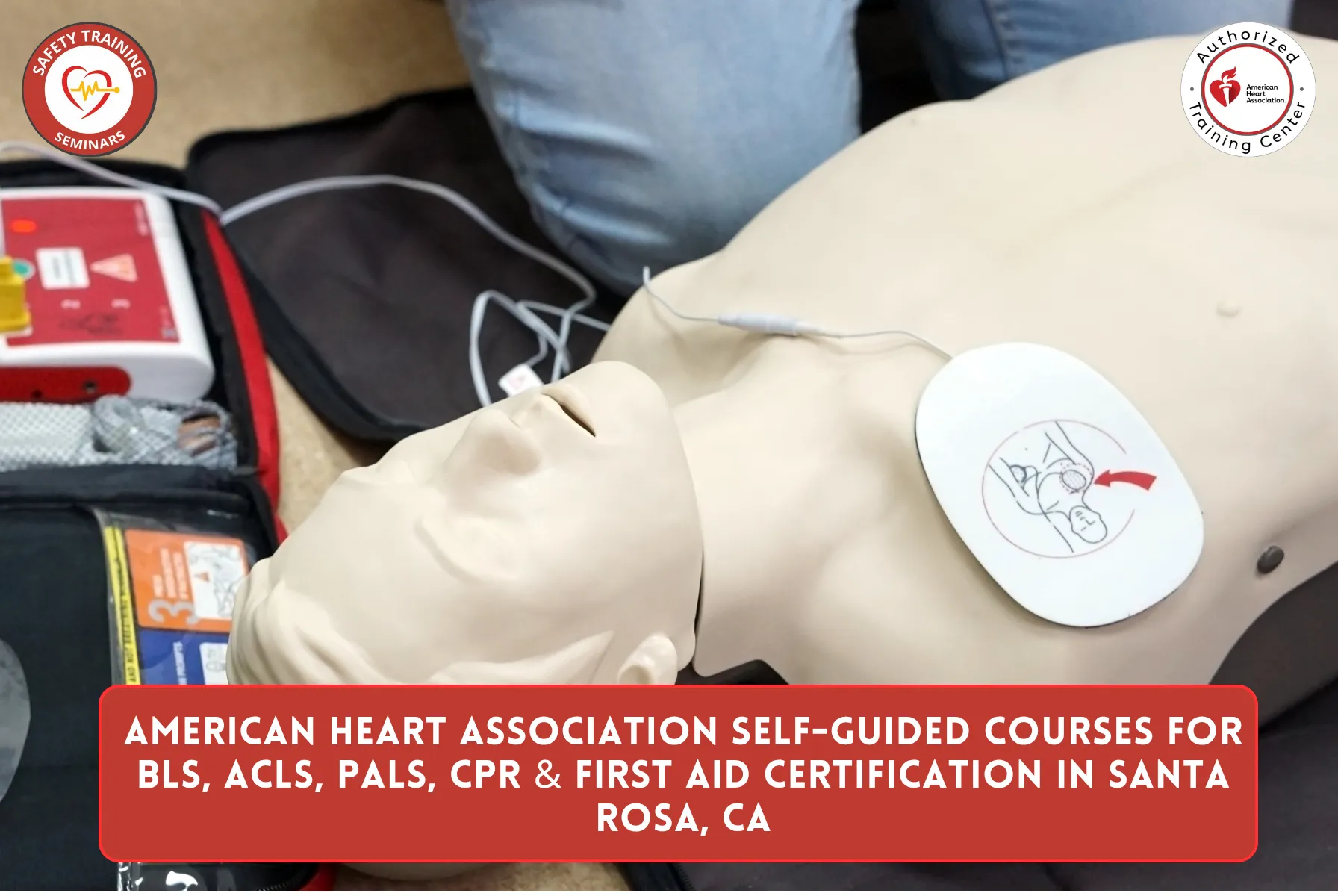
- Automated External Defibrillators (AED): Unboxing, positioning pads, and administering shocks safely for adult, pediatric, and infant patients.
- Team-Based Resuscitation: Practicing rapid role transitions during multi-rescuer scenarios to minimize interruptions in compressions.
- Foreign-Body Airway Obstruction: Executing abdominal thrusts for adults and alternating back slaps with chest thrusts for choking infants.
Step-by-Step Walkthrough of Your Class Experience
Knowing the sequence of events removes the guesswork from your first training session. Training centers generally follow a streamlined flow designed to build your confidence progressively.
1. Check-In and Setup
Upon arrival, the instructor verifies your registration. If you enrolled in a blended learning option (where cognitive modules are completed online prior to class), you will present your online completion certificate before starting the hands-on portion.
2. Video-Based Demonstration and Practice
Classes utilize a “practice-while-watching” format. Clinical scenarios display proper posture, hand placement, and timing on video screens while you mirror the actions directly on your assigned feedback manikin.
3. Hands-On Skill Stations
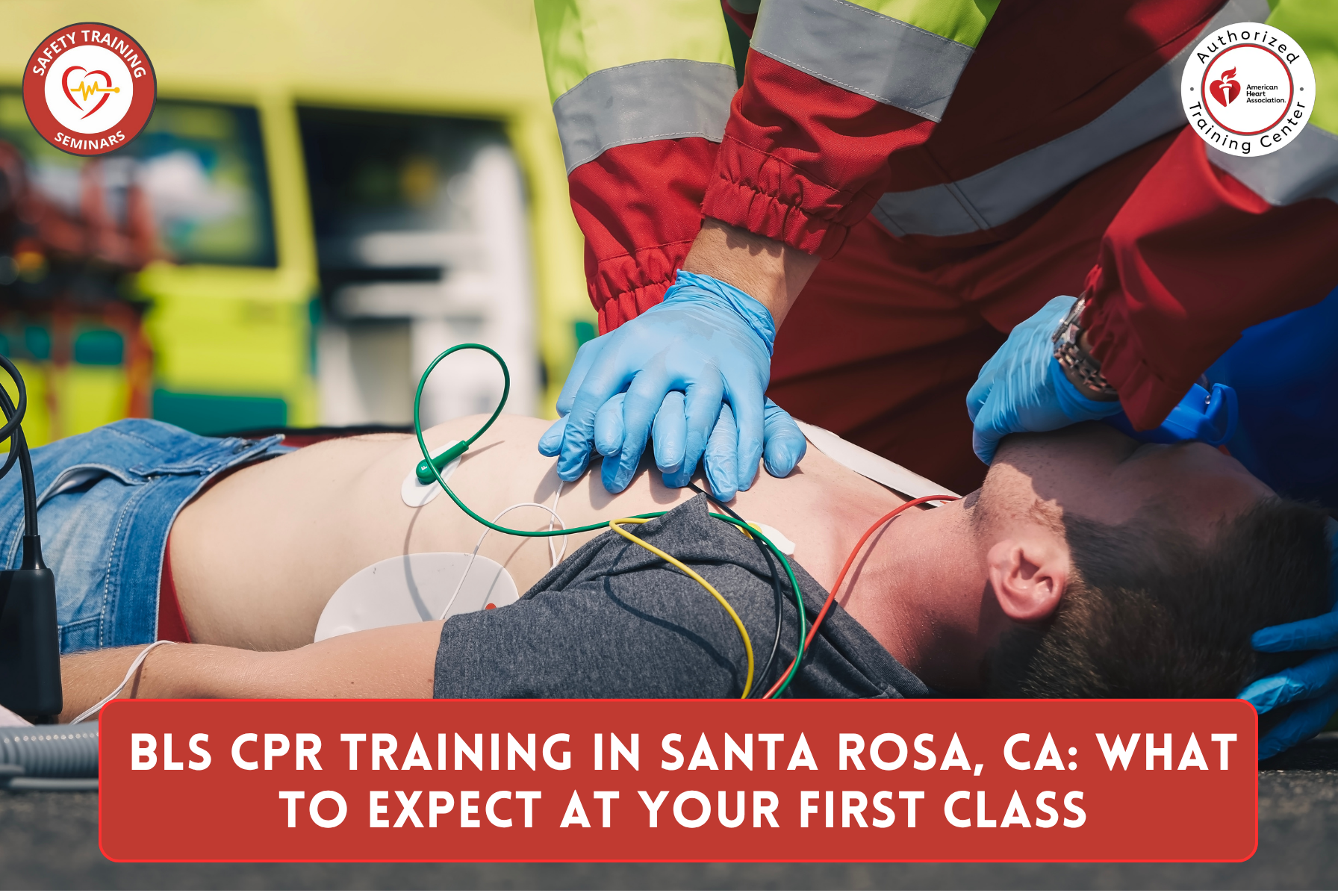
Instructors observe your physical technique directly. Real-time visual and auditory feedback devices embedded in modern manikins measure your compression depth and rate, offering immediate guidance to refine your hand positioning and body mechanics.
4. Team Scenarios and Testing
You will partner with another student to manage simulated adult and infant cardiac arrest calls. One student delivers compressions while the other operates the BVM and AED, switching positions seamlessly every two minutes to prevent fatigue.
How to Prepare Before Arriving at the Training Center
A little advance preparation ensures your training goes smoothly and remains comfortable throughout the physical drills.
- Wear Comfortable Attire: You will spend significant time kneeling beside manikins on the floor. Wear flexible clothing, such as scrubs, athletic wear, or loose trousers, along with comfortable closed-toe shoes.
- Review Prerequisite Materials: If your course includes student manuals or online pre-course work, review key terminology, compression-to-ventilation ratios (such as 30:2 for single rescuers and 15:2 for two-rescuer pediatric care), and the Cardiac Chain of Survival.
- Bring Required Documents: Keep a digital or printed copy of your online module completion certificate accessible if you are attending a blended skill sign-off session.
In-Person vs. Blended Learning: Which Should First-Timers Choose?
First-time students often wonder whether to attend a traditional full classroom course or opt for a blended learning format (combining online coursework with an in-person skill evaluation).
Traditional Classroom Sessions
Full in-person classes cover all cognitive lectures, videos, hands-on practice, and written testing in a single contiguous block (typically 3.5 to 4 hours). This environment is ideal for learners who prefer direct instructor interaction, structured group questions, and guided pace control throughout the material.
Blended Learning Format
Blended training allows you to complete the cognitive modules, video scenarios, and written exam independently on a computer or tablet. Once finished, you schedule a brief, focused in-person session (usually 45 to 60 minutes) solely for physical skill verification. This option suits healthcare professionals and students who need flexible scheduling around shifts or classes.
Supporting Sonoma County Healthcare Workers and Students
Santa Rosa serves as the primary medical and educational care corridor for Sonoma County. Local hospitals, community clinics, and urgent care networks maintain strict compliance requirements regarding resuscitation credentials.
In addition to practicing clinicians, students preparing for clinical rotations at local institutions rely heavily on accessible local training. Healthcare candidates commuting from surrounding towns regularly complete their requirements locally. For example, students reviewing Petaluma, CA BLS course schedules or clinicians comparing Rohnert Park, CA CPR training options find central Sonoma County facilities convenient for fitting skill sign-offs into busy schedules.
Similarly, medical professionals living further north who are checking Healdsburg, CA BLS class details appreciate direct access to verified training sites that issue official provider eCards promptly upon completion.
Completing Your Course at Safety Training Seminars Santa Rosa
Safety Training Seminars provides professional resuscitation courses designed to meet institutional compliance standards across Sonoma County. The center offers regular class times, direct hands-on instruction, and prompt digital card delivery to simplify your renewal or initial certification process.
- Local Center Address: Safety Training Seminars Santa Rosa – Downtown CPR Training Center, 825 College Avenue, Suite 3, Santa Rosa, CA 95404.
- Regional Coverage: Conveniently located for Sonoma County residents, including those researching Cotati, CA BLS certification options or nearby Cloverdale, CA CPR course schedules.
After completing your physical skills verification successfully, your official digital provider eCard is issued electronically so you can submit proof of compliance to your school or employer without delay.
Frequently Asked Questions
What happens if I do not pass a physical skill test on my first try?
Instructors are present to coach you through physical skill demonstrations. If your compression depth or BVM seal needs adjustment, the instructor will provide immediate feedback and allow you to practice and re-test the specific skill during the session until you meet standard competency requirements.
Are online-only CPR certificates accepted by Santa Rosa healthcare employers?
No. Standard healthcare employers, clinical facilities, and nursing programs across Santa Rosa and Sebastopol require a physical hands-on skill demonstration on feedback manikins. Certificates from courses without an in-person assessment are generally rejected during compliance audits.
How long does a BLS provider certification card remain valid?
A BLS provider card is valid for two years through the end of the month in which it was issued. To avoid lapses in employment or clinical rotation privileges, plan to register for a renewal course roughly 30 days before your card expires.
Do I need to bring my own manikin or testing equipment to class?
No. Safety Training Seminars provides all required equipment, including sanitized feedback manikins, bag-valve masks, pocket masks, and trainer AEDs. You only need to bring your ID, comfortable clothing, and your online completion certificate if enrolled in a blended course.
Next Steps for Your Santa Rosa BLS Certification
Attending your first BLS class is a straightforward process when you know what to expect. By selecting the course structure that matches your schedule, dressing comfortably for physical practice, and reviewing core concepts beforehand, you can satisfy your professional requirement with complete confidence.
Check your employer or program guidelines, confirm your preferred course date, and visit the Safety Training Seminars Santa Rosa location page to view available class times and complete your registration.